Narrow back garden access solutions for gardeners in Teddington
If you have ever tried to move bags of compost, a mower, or a stack of paving through a tight side passage, you will know the feeling. It is awkward, slow, and often a little frustrating. Narrow back garden access solutions for gardeners in Teddington are all about making that awkward journey simpler, safer, and less disruptive, whether the job is routine garden maintenance, a full clearance, or a more ambitious landscaping project.
In Teddington, where homes can range from compact terraces to larger period properties with surprisingly awkward rear access, the challenge is usually not the garden itself. It is how to reach it. That is why the best access plan is rarely about brute force. It is about planning, the right equipment, and a clear understanding of what can realistically be carried, dismantled, protected, or brought through in sections. This guide breaks down the practical solutions, the trade-offs, and the mistakes worth avoiding.
Table of Contents
- Why it matters
- How it works
- Key benefits and practical advantages
- Who this is for and when it makes sense
- Step-by-step guidance
- Expert tips for better results
- Common mistakes to avoid
- Tools, resources and recommendations
- Law, compliance, standards, or best practice
- Options, methods, or comparison table
- Case study or real-world example
- Practical checklist
- Conclusion
- Frequently asked questions
Why Narrow back garden access solutions for gardeners in Teddington Matters
Access issues sound minor until the work starts. Then they become the whole job. A narrow gate, a tight alleyway, uneven steps, low brick walls, a shared passage, or a door that opens the wrong way can all change how garden work is planned and priced. In practical terms, narrow access affects speed, labour, safety, and the type of materials that can be used.
For gardeners in Teddington, this matters for a few very ordinary reasons. First, many garden tasks involve moving bulky items such as soil, turf, sleepers, gravel, fencing panels, hedge cuttings, and waste. Second, access can affect how much of the work can be done in one visit. Third, difficult access increases the risk of damage to walls, paving, glass, planting, and neighbouring property. No one wants a fresh delivery of topsoil making an untidy entrance through the living room, obviously.
There is also the practical reality of working in lived-in homes. Families are busy, pets get underfoot, and neighbours may not love noise or repeated trips through shared spaces. Good access planning reduces disruption. It helps the work feel calm rather than chaotic. That alone is worth a lot.
A proper access solution is not just about moving things through a gap. It is about deciding what should be brought in, what should be assembled on site, what should be lifted manually, and what should be left out entirely in favour of a better method. That thinking sits at the heart of efficient garden and landscaping work and it is especially important where space is tight.
Expert summary: the best narrow-access jobs are usually won before the first bag is lifted. Measure first, protect surfaces early, and choose materials and methods that suit the route, not just the end design.
How Narrow back garden access solutions for gardeners in Teddington Works
At its simplest, access planning answers one question: how will every part of the job reach the rear garden without causing damage or wasting time? The answer may involve a mix of manual handling, smaller equipment, modular materials, temporary protection, and a careful order of operations.
Most professional gardeners start with a site assessment. That does not need to be dramatic. It may just mean measuring the width of passages, checking turning points, looking for overhead obstructions, and noting where a wheelbarrow can realistically pass. In some cases, a site visit is the only sensible way to understand the route. A garden can look straightforward on paper and then, well, turn out to be a little more interesting in person.
Common access solutions include:
- Using narrower tools and compact machines for mowing, trimming, or clearance.
- Breaking materials into smaller loads instead of relying on one large delivery.
- Assembling features in sections, then fitting them in place.
- Protecting the route with boards, sheets, or coverings to avoid scuffing paths and walls.
- Scheduling work in a logical sequence so heavy or messy tasks happen when access is clear.
- Choosing lightweight or flexible materials where possible.
For example, if a rear garden needs a new edge, fresh planting, and regular care, it may be more efficient to use compact bags of soil and staged deliveries than to try to bring everything through in one go. Likewise, if a hedge needs attention on a narrow plot, the right approach may be to work in sections and remove cuttings frequently so the route never clogs up. Services such as hedge trimming and lawn mowing often become much easier when the access plan is thought through first.
Access solutions can also include choosing the right support service. If an overgrown garden is blocking pathways or swallowing up the working area, a targeted garden clearance can make the site safer and easier to navigate before the main work starts. That is often the difference between a tidy day's work and a muddle of repeated carrying.
Key Benefits and Practical Advantages
The obvious benefit is that the job gets done. But narrow-access planning delivers more than that, and the benefits are often felt in small, practical ways that clients notice immediately.
- Less damage: protected routes reduce the risk of scraped paintwork, broken edges, trampled borders, and chipped paving.
- Faster working: fewer wasted trips and fewer awkward manoeuvres save time.
- Safer handling: smaller loads and better sequencing reduce strain and slip hazards.
- Better finish: when access is managed properly, the final result tends to look more considered.
- Less disruption: neighbours, family members, and pets are less likely to be inconvenienced.
- More design options: a smart access plan can make otherwise difficult projects possible.
There is another benefit people do not always expect: confidence. Once a property owner knows there is a clear route, a realistic method, and a clean plan, the whole project feels less stressful. That matters when you are trying to make improvements without turning your garden into a short-term building site.
In some cases, narrow access also encourages better design choices. For example, a new deck or pathway might be designed in smaller components so it can be installed without bringing in oversized sections. That is where decking services and broader services overview planning can help shape a realistic approach from the outset.
Who This Is For and When It Makes Sense
Narrow back garden access solutions are not just for one type of property. They suit a wide range of situations, and the common thread is simple: the route to the garden is not easy.
This matters if you live in a terrace with a slim side return, a semi-detached house with shared access, or a property where access is only possible through the house. It also matters if the garden backs onto a service lane, has steps or steep changes in level, or requires moving awkwardly shaped materials like sleepers, turf rolls, or full hedge trimmings.
It can also be relevant if:
- you want routine maintenance without constant disruption;
- you are planning a redesign or upgrade;
- you need overgrown areas opened up before work can begin;
- you have elderly residents, children, or pets who need safe routes kept clear;
- you are concerned about protecting internal floors or tight external paths.
For some gardens, the solution is simple and almost invisible. For others, it shapes the entire project. Truth be told, if access is poor enough, it is sometimes the main design constraint rather than the garden size itself.
If you are unsure whether a property will need special handling, it usually makes sense to discuss the route before work is booked. That is especially true for larger jobs, heavier materials, or anything involving landscape gardening rather than routine maintenance. A short planning conversation can save a lot of back-and-forth later.
Step-by-Step Guidance
A good narrow-access plan follows a fairly sensible sequence. Nothing glamorous. Just careful, practical steps.
- Measure the route. Check the narrowest points, gate widths, door openings, corners, steps, and any height restrictions. Do not guess. A tape measure is a small thing, but it is very useful.
- Identify the heaviest or bulkiest items. Decide what needs to go through the access route and what can be broken down, bagged, or assembled later in the garden.
- Protect vulnerable surfaces. Put down coverings where wheels, boots, or bags may pass. This is especially useful on older paving, painted thresholds, and timber decking.
- Choose the right tools. Compact machines, hand tools, folding equipment, and smaller loads often work better than trying to force a standard setup into a tight space.
- Set the working order. Move waste out before bringing in delicate materials. Clear the route before the main installation. Keep the path tidy as the job progresses.
- Review safety and access again on the day. Conditions can change. Wet weather, blocked paths, deliveries, and parked vehicles all affect the plan.
- Finish with a clean exit. Remove protection carefully, check for scuffs or loose debris, and leave the route as tidy as the garden itself.
That sequence sounds basic because it is. But basic done well is often what separates a smooth project from a frustrating one. If a job also involves regular upkeep, it is worth folding access considerations into an ongoing garden maintenance plan rather than treating them as a one-off panic.
Expert Tips for Better Results
Here are the practical habits that tend to make the biggest difference.
- Plan for the route, not just the task. A perfect lawn job still becomes awkward if the mower cannot get through cleanly.
- Use smaller, repeatable loads. Repeated manageable trips are often faster than one stressful oversized carry.
- Keep the access line clear from the start. It is tempting to leave cuttings or tools in the way "for a minute". That minute tends to multiply.
- Think about reversibility. If materials need to come back out again, choose a method that allows that without damage.
- Ask how waste will be removed. Waste handling is often overlooked, yet it can dominate a narrow-access job.
- Match the planting and materials to the site. Lighter bags, modular pieces, and flexible staging can make life much easier.
A small but useful tip: do the awkward move once, not three times. If a wheelbarrow, board, or bag setup takes five extra minutes to arrange but saves thirty minutes of wobbling around later, that is a win. Not every efficiency looks dramatic from the outside.
If tree work is part of the project, especially where branches are restricting the route or overhang a tight passage, it can help to coordinate with tree lopping and removal so the access path is opened up before the rest of the job starts. Similarly, if the garden is cluttered or has accumulated old materials, a more structured clearance phase can make everything flow better.
Common Mistakes to Avoid
Narrow access problems often come from avoidable assumptions. The classic one is: "it should fit." Should is not a measurement.
- Measuring only the gate: people forget corners, steps, handles, hinges, and wall returns.
- Ignoring the return route: getting things in is one job; getting waste out is another.
- Using standard-sized equipment without checking clearance: this can lead to delays and unnecessary strain.
- Skipping surface protection: a rushed route often leaves marks that are expensive to put right.
- Ordering materials too early: bulky deliveries arriving before access is ready can create avoidable problems.
- Underestimating manual handling: repeated carrying through narrow access can be harder than it looks.
Another mistake is overcomplicating the design. Sometimes the prettiest plan on paper is not the best one for the property. A slightly more modular layout can be more practical, easier to maintain, and better suited to the space. That is not a compromise. It is just good judgement.
And yes, the weather matters. A wet path in a shaded Teddington garden can become slippery in a hurry, especially in the morning when everything still has that damp, cool feel. Small detail, big effect.
Tools, Resources and Recommendations
You do not need a van full of specialist gear for every narrow-access job, but you do need the right mix of tools for the route and the work involved.
Useful items often include:
- compact hand tools for cutting, edging, and pruning;
- folding or narrow-profile equipment where possible;
- heavy-duty bags for waste and loose material;
- protective boards or coverings for passages and thresholds;
- smaller containers for soil, mulch, or aggregates;
- markers or temporary guides for keeping the access line clear;
- appropriate lifting aids and team handling for heavier items.
For homeowners, a practical recommendation is to keep the access route as uncluttered as possible before work begins. Move bikes, bins, plant pots, washing lines, and anything else that forces a detour. It sounds obvious, but it saves time immediately.
If the project is substantial, it may also help to review the wider service journey before work starts. The company's pricing and quotes page can help set expectations around project scope, while the insurance and safety information is worth reading if access is especially tight or the work involves heavier handling. No need to be dramatic about it. Just sensible.
For routine clean-up and tidy-over tasks, services such as garden clearance and lawn care are often the most relevant starting points. If your garden also needs a broader rethink, a careful landscaping approach can be planned around the access rather than fighting against it.
Law, Compliance, Standards, or Best Practice
When narrow access is part of a gardening job, the main legal and safety concern is usually not a complicated planning rule. It is more about sensible duty of care, safe handling, and avoiding damage or injury. In the UK, professional garden work should be carried out with appropriate attention to health and safety, and any team working on site should think carefully about manual handling, trip hazards, and the secure use of equipment.
Best practice usually includes:
- keeping access routes clear and visible;
- avoiding unnecessary obstruction of shared paths or entrances;
- using suitable lifting methods for heavy or awkward items;
- protecting surfaces and nearby property;
- being clear about what work is included and what access is required;
- managing waste responsibly and safely.
If a job involves trees, heavy cutting, or moving larger debris, extra care is warranted. That is less about paperwork and more about common sense, to be honest. And if a property has accessibility considerations, awkward steps, or shared entry routes, the working method should respect those conditions rather than bulldozing through them.
It is also good practice to be transparent with the client about any access limits before work begins. That avoids misunderstandings and helps the job run smoothly. Professionalism often looks like small things done in the right order. Nothing flashy, just reliable.
Options, Methods, or Comparison Table
There is rarely one perfect access solution. The right choice depends on the task, the route, the materials, and how often the garden will need work in future. Here is a simple comparison to help you think it through.
| Method | Best for | Advantages | Limitations |
|---|---|---|---|
| Manual carrying in smaller loads | Clearance, planting, maintenance, mixed tasks | Flexible, low-cost, fits tight routes | Slower for large projects, more labour intensive |
| Compact tools and equipment | Lawn care, trimming, light landscaping | Efficient, easier to manoeuvre, less disruption | May not suit larger structural jobs |
| Sectional delivery of materials | Soil, gravel, timber, decking, planting materials | Reduces access pressure, easier to handle | Requires more planning and staging space |
| Route protection and surface covering | Any job where surfaces could be damaged | Helps preserve paving, thresholds, and walls | Adds setup time, needs careful placement |
| Modular design or on-site assembly | Decks, features, small landscaping builds | Can make difficult projects possible | Needs good planning and precise fitting |
If you are choosing between methods, ask yourself one simple question: which option creates the least friction for the whole job, not just the first five minutes? That question usually points to the right answer.
Case Study or Real-World Example
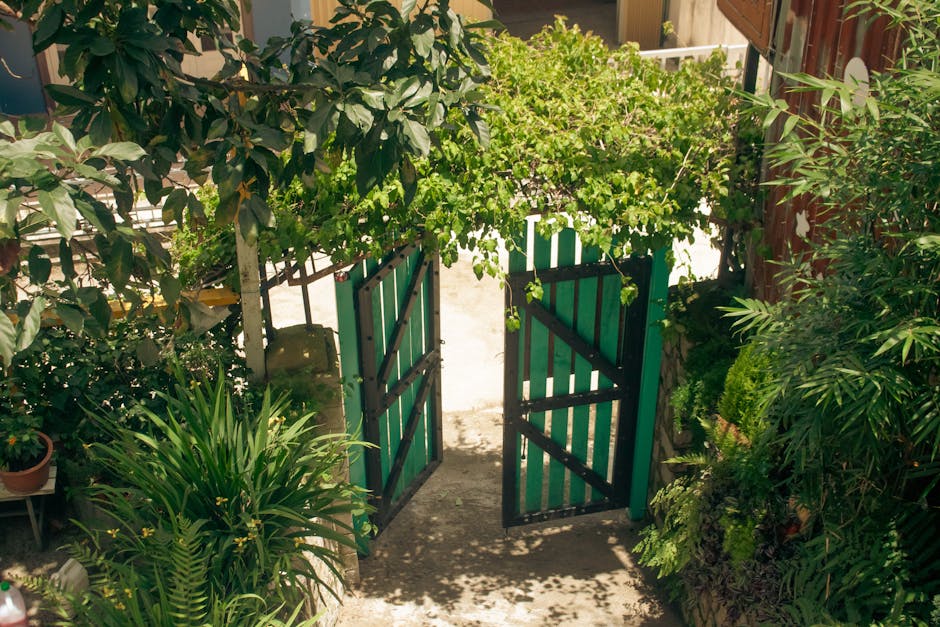
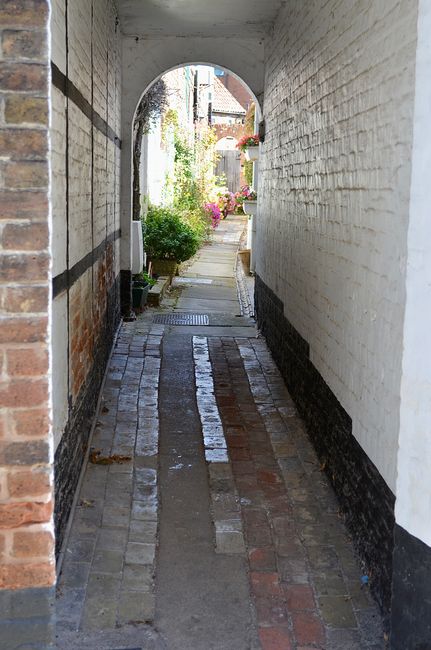
Consider a typical Teddington scenario: a rear garden behind a mid-terrace home with access only through a narrow side passage and a gate that opens awkwardly against the wall. The garden itself is not huge, but it has become overgrown, the lawn is patchy, and a border needs reshaping. There is also a small raised area where a new seating space is planned.
A rushed approach would be to bring everything in at once and hope for the best. That is usually where the trouble starts. A better approach is to begin with a clearance pass, open up the route, protect the paving, and bring materials through in smaller, manageable loads. The lawn work can then be done with compact equipment, trimming can happen in stages, and the seating area can be built from sections that fit the route.
What changes most in that setup is not just the logistics. It is the feel of the work. Instead of the garden becoming blocked by tools and waste, the space stays usable between stages. The homeowner can still get out the back door, the route does not become a trip hazard, and the final result looks planned rather than squeezed in.
In jobs like this, the value of proper access planning is obvious by lunchtime. Less backtracking, less strain, and fewer moments of "hmm, that was a bit tighter than expected." We have all seen that look.
When access is particularly limited, a mix of regular maintenance and selective improvements can be smarter than trying to tackle everything in one hit. It keeps the garden healthier, and frankly, easier to live with.
Practical Checklist
Use this checklist before any narrow-access garden work in Teddington:
- Measure the narrowest point of the access route.
- Check for bends, steps, low walls, and height restrictions.
- Identify heavy, awkward, or fragile items in the job.
- Decide what can be carried in sections.
- Protect flooring, paving, and thresholds before work begins.
- Clear bins, bikes, pots, and clutter from the route.
- Confirm how waste will be removed from the garden.
- Choose compact tools where possible.
- Plan the order of work so the route stays open.
- Re-check conditions on the day, especially after rain or wind.
- Allow time for a tidy finish and final inspection.
Quick takeaway: the best narrow-access job is the one that feels uneventful. That is a good sign. It means the route was planned properly and the work could happen without drama.
Conclusion
Narrow back garden access solutions for gardeners in Teddington are really about making garden work practical, safe, and realistic. The right approach can turn a cramped route into a manageable one, reduce damage, and make everything from routine upkeep to full landscaping far easier to deliver.
If there is one thing to remember, it is this: access planning is not an afterthought. It is part of the job. Measure carefully, protect surfaces, choose compact methods, and keep the route clear. Do that well and the rest of the project usually falls into place with far less fuss than people expect.
For homeowners, the best next step is usually to assess the access honestly and match the work to the space. For gardeners, it is about building a method that respects the property as much as the garden itself. That balance matters, and it shows in the final result.
Get a free quote today and see how much you can save.
Frequently Asked Questions
What counts as narrow garden access?
Narrow access usually means the route into the back garden has limited width, awkward turns, steps, low overhead space, or shared passages that make moving equipment and materials more difficult than usual.
Can a garden still be maintained if access is very tight?
Yes, in most cases it can. The key is using compact tools, smaller loads, and a sensible work sequence. Regular visits also help because the garden never gets to the point where access becomes overloaded by growth or clutter.
Do narrow access jobs take longer?
Often, yes. More care is needed when carrying materials, protecting surfaces, and moving around the site. That said, good planning can keep delays to a minimum and prevent the kind of wasted effort that really eats time.
Is it better to clear the garden before landscaping work starts?
Usually, yes. A proper clearance phase makes the route safer and gives the main landscaping work room to happen. It also makes it easier to spot what can realistically be brought through the access route.
What if my garden can only be reached through the house?
That is workable in many situations, but it needs extra care. Floors, thresholds, and interior routes should be protected, and the carrying plan should be agreed in advance so the process does not become disruptive.
Are compact tools really necessary?
Not for every task, but they often make a noticeable difference. Narrow passages, tight corners, and shared access points can quickly rule out larger equipment, so compact tools are usually the safer and easier option.
Can decking be installed with restricted access?
Yes, provided the design and materials are chosen with access in mind. Modular components, smaller sections, and careful staging can make a decking project much more practical where the route is awkward.
How do I know whether access will affect pricing?
Access can influence labour time, equipment choice, and the handling of materials or waste. The most reliable approach is to discuss the route clearly before work starts so the quote reflects the actual conditions.
What are the biggest mistakes people make with tight access?
The most common mistakes are measuring too loosely, ignoring the route back out, ordering bulky materials too early, and failing to protect surfaces. Each of those can cause delays or avoidable damage.
Should I mention access problems before asking for a quote?
Absolutely. The more accurate the description of the route, the better the plan. A narrow gate, shared side passage, or awkward steps can change how the job is approached, so it helps to say so up front.
Does bad access mean I need to redesign the whole garden?
Not necessarily. Sometimes the answer is simply better staging, smaller materials, or a more modular approach. A full redesign is only needed if the access is so limited that the intended layout would be impractical to build or maintain.
How often should a narrow-access garden be maintained?
That depends on planting, layout, and how quickly the space grows in. In general, a consistent maintenance routine prevents the route from becoming blocked again and makes every future visit easier.