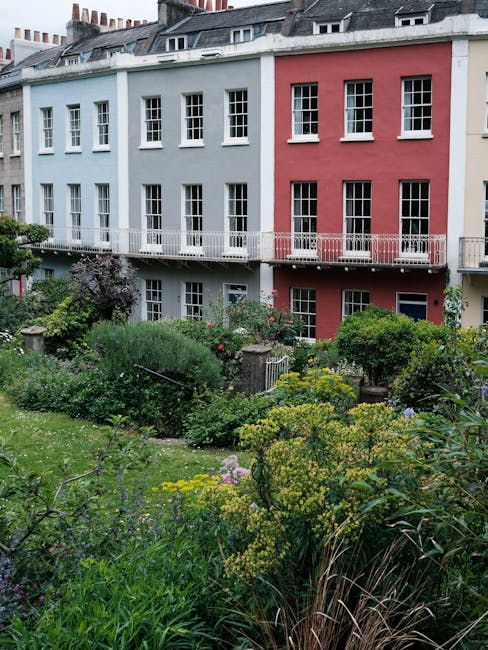
High Street front garden guide for Teddington properties
If you own a home on or near the High Street in Teddington, your front garden has a bigger job than most people realise. It is the first thing people notice, the bit that frames your property, and often the difference between "tidy, cared-for home" and "somewhere that feels a little left behind". In a busy local setting, the front garden has to look good, stay manageable, and work with the way people actually live. This High Street front garden guide for Teddington properties is here to help you get that balance right without overcomplicating it.
We will cover what makes these gardens tricky, how to plan them, the smartest layout choices, and the small maintenance habits that keep everything looking sharp through the year. You will also find a clear checklist, a comparison table, and practical guidance on compliance, because let's face it, front gardens can be lovely and still cause headaches if they are designed badly.
Table of Contents
- Why this matters for Teddington High Street properties
- How a front garden on High Street works in practice
- Key benefits and practical advantages
- Who this is for and when it makes sense
- Step-by-step guidance
- Expert tips for better results
- Common mistakes to avoid
- Tools, resources and recommendations
- Law, compliance, standards and best practice
- Options, methods and comparison table
- Case study or real-world example
- Practical checklist
- Conclusion
- Frequently asked questions
Why High Street front garden guide for Teddington properties Matters
Front gardens along a busy street do more than decorate the front of a house. They soften hard paving, set the tone for the property, and quietly signal whether the home is looked after. In Teddington, where a lot of properties have a neat, characterful street presence, a front garden that feels considered can lift the whole frontage. That matters whether you are staying for years or thinking about resale value down the line.
There is also a very practical side. Front gardens on a high street tend to deal with more foot traffic, more dust, more leaf litter, and more visibility. People notice everything. A slightly crooked fence panel, a hedge that has grown too far across the path, or a patchy strip of lawn stands out more than it would on a quieter residential road. Nothing dramatic. Just enough to make the place feel untidy.
And then there is day-to-day living. Can you open the gate easily with shopping bags? Does the front path drain properly after a wet spell? Is the planting helping privacy, or is it becoming a maintenance job you dread every Saturday? These are the little things that shape whether a garden feels useful or simply decorative.
Expert summary: the best front gardens on busy Teddington streets tend to be simple, durable, and easy to maintain. The goal is not to pack in every feature possible. It is to create a frontage that looks calm, works hard, and does not become a weekend burden.
If you want to explore the broader range of services that can support this kind of frontage, the services overview is a useful place to start. For households that need regular upkeep rather than a full redesign, garden maintenance often makes the biggest difference over time.
How High Street front garden guide for Teddington properties Works
A successful front garden starts with the site itself. That sounds obvious, but it is where many projects go sideways. Before choosing plants or materials, you need to understand sun, shade, drainage, frontage width, path access, boundary lines, and how the garden will be used. A narrow Victorian frontage needs a very different solution from a deeper detached plot. No surprise there, but people still try to copy one style into another and end up with something awkward.
Think of the process in layers:
- Assess the frontage - Measure the usable space and note where people walk, where bins may pass, and where sightlines matter.
- Decide the main job - Privacy, kerb appeal, low maintenance, planting interest, or all four in some blend.
- Choose the hard landscaping - Path edges, borders, paving, edging, steps, and any boundary treatment.
- Plan the planting structure - Evergreen shrubs, seasonal colour, ground cover, and any small tree or specimen feature.
- Build in maintenance logic - Think about pruning access, watering, weed control, and how much time you actually want to spend on it.
That last step is the one people skip, then regret. A beautifully planted bed can become messy surprisingly fast if there is no room to prune it properly. A front garden should feel generous, not crowded.
On high streets and busier roads, the design should also resist grime and wear. That usually means stronger materials, simpler shapes, and planting that still looks decent after a rainy week and a windy one. Teddington weather can be kind one day and a bit grumpy the next, so durability is not optional.
Key Benefits and Practical Advantages
A good front garden gives you far more than a prettier view from the pavement. Here are the main advantages, and why they matter in real life.
- Better kerb appeal: A neat frontage makes the house feel more welcoming straight away.
- Lower stress: Simple planting and tidy edges are easier to keep on top of.
- Improved privacy: Thoughtfully placed shrubs or hedging can soften views into the home without feeling closed off.
- Clearer access: A well-planned path and gate arrangement makes coming and going much easier.
- Stronger property presentation: A front garden that looks intentional often makes the whole property feel more cared for.
- Better seasonal interest: You can have year-round structure with subtle changes through spring, summer, and autumn.
One of the nicest side effects is psychological. People tend to look after spaces they like looking at. It sounds a bit obvious, but it is true. If your front garden feels calm and tidy, you notice problems sooner and deal with them sooner. Small habit, big payoff.
There is also a practical value in using plants and surfaces that do not demand constant attention. If you choose the right mix, you avoid that all-too-familiar cycle of a weekend blitz followed by three weeks of neglect. We have all seen it. The garden starts with promise, then life gets busy, and suddenly the front border looks like it has had a rough month.
Who This Is For and When It Makes Sense
This guide is relevant if you are a homeowner, landlord, or property manager looking after a Teddington property with a street-facing front garden. It is especially useful if the garden is visible from a busy pavement, part of a terrace, or framed by a narrow frontage where every choice shows.
It also makes sense if you are in one of these situations:
- You want a smarter, more welcoming entrance without constant maintenance.
- The current layout feels cluttered, dated, or difficult to keep tidy.
- The planting is patchy and no longer suits the property.
- You need more privacy from street view.
- The pathway, boundary, or edging is looking tired and needs improvement.
- You are preparing a home for sale or letting and want a stronger first impression.
Sometimes the right move is a full redesign. Often it is not. Truth be told, many front gardens just need a clearer structure, better pruning, and a few practical changes to make them work again. If overgrowth, debris, or old planting is getting in the way, a bit of garden clearance can give you the clean slate you need before making any decisions.
This topic is especially relevant for people who want professional help but still want the garden to feel personal. You do not need to turn your frontage into a show garden. In fact, that is usually the wrong goal.
Step-by-Step Guidance
If you are planning a front garden refresh on or near Teddington High Street, this sequence will keep you from making expensive mistakes.
1. Start with the structure
Walk the frontage and look at the bones of the space. What is fixed? Path, steps, wall, hedge, fence, driveway edge, drainage points. Those things shape everything else. If the structure is poor, planting alone will not fix it. A garden can look lovely and still feel annoying to use if the access is awkward.
2. Decide how much open space you need
People often fill every available corner. Resist that urge. A front garden needs breathing room, especially if you want it to feel welcoming. Leave enough open surface around the path and entrance so the space does not feel tight or fussy.
3. Choose a clear style direction
Keep it simple: either neat and formal, soft and cottage-like, or contemporary and restrained. Mixing all three usually creates visual noise. A consistent style makes even modest planting feel deliberate.
4. Pick durable planting
For busy street-facing gardens, favour plants that can handle a bit of exposure and still look presentable. Evergreen structure helps. So do a few reliable seasonal plants that do not collapse into a mess after the first wet spell. Mixed planting can work beautifully, but it should still be practical.
5. Build in maintenance access
Can you reach the back of the border without standing on the plants? Can you trim the hedge without leaning across the path like a contortionist? If not, redesign it now, not later.
6. Add the finishing details
Edging, mulch, discreet lighting, and neat boundary treatment are the sorts of details that make a frontage look finished. They also help keep the garden under control. Small things, but they matter.
7. Put maintenance on a schedule
Front gardens deteriorate through delay, not one-off neglect. A little routine care keeps them handsome. If you would rather hand that over, regular lawn mowing, hedge trimming, and ongoing garden maintenance can stop problems from building up in the first place.
Expert Tips for Better Results
Here is where the small gains happen. The kind that make a front garden look calm, polished, and quietly expensive without actually being fussy.
- Use repetition. A repeated plant or material creates rhythm. Too much variety looks busy.
- Keep borders narrow if the frontage is small. Deep beds can swallow space and make the garden feel cramped.
- Choose one standout feature. Maybe it is a clipped hedge, maybe a pair of pots, maybe a specimen shrub. One focal point is enough.
- Think in all seasons. A front garden should not only look good for three spring weeks.
- Use mulch or gravel thoughtfully. These can reduce weeds and sharpen the look, but only if they suit the property style.
- Prune before it becomes urgent. Light, regular cutting is far better than one drastic rescue job.
A small but useful trick: stand across the street and look back at the property in the early evening. The light softens, shadows show up, and you will notice what your eye actually lands on. Often it is not the thing you expected. That little habit can save a lot of guesswork.
If the garden includes shrubs, hedging, or taller boundary planting, the service pages for hedge trimming and tree lopping and removal may be relevant where overgrowth is affecting light, access, or the appearance of the frontage. And if the layout needs a more substantial rethink, landscape gardening or broader landscaping may be the better route.
Common Mistakes to Avoid
Front gardens are small enough that mistakes show fast. Here are the ones we see most often.
- Overplanting: Too many plants in a narrow frontage makes maintenance painful and looks cluttered.
- Ignoring sightlines: Tall planting near gates and paths can make entrances awkward or unsafe.
- Choosing high-maintenance species for a low-maintenance brief: This is where good intentions go to die, honestly.
- Forgetting drainage: Standing water or muddy edges make the whole garden feel neglected.
- Mixing too many styles: A rustic border, formal hedge, and modern paving can fight each other if there is no plan.
- Leaving old debris in place: Dead plants, broken pots, and worn edging drag everything down.
- Neglecting the front path: The best planting in the world will not save a slippery, cracked, or cluttered access route.
One more thing. Avoid designing for the best week of the year. Design for the wet week, the windy week, and the week when you are busy and just want things to look fine with minimal effort. That is the real test.
Tools, Resources and Recommendations
You do not need an endless toolkit to manage a front garden well. You do need the right basics, and a realistic plan.
Useful tools for regular upkeep
- Sharp secateurs for light pruning
- Long-handled shears for hedging and shaping
- A rake for leaf and debris collection
- A stiff broom for paths and edges
- A hose or watering can for dry spells
- Gloves that actually fit properly. Not the floppy ones that vanish the moment you bend down
Practical materials worth considering
- Quality edging to keep borders clean
- Mulch to reduce weeds and help retain moisture
- Gravel or compact paving where a neat, low-maintenance surface suits the house
- Robust evergreen shrubs for year-round structure
- Perennials that can be cut back cleanly and return well each season
From a service perspective, front gardens often benefit from a blend of maintenance and selective improvement. A tidy-up visit may be enough for some homes. Others may need a one-off reset plus ongoing care. If you are comparing options, the pricing and quotes page can help set expectations before any work begins.
If your project involves a bigger transformation, a more thoughtful design and build approach may be appropriate. In that case, start with the wider services overview so you can match the work to the garden rather than forcing the garden to fit a service.
Law, Compliance, Standards, or Best Practice
Front garden work is often straightforward, but there are still a few standards and practical boundaries to keep in mind. The aim here is not to frighten anyone off. It is simply to avoid hassle later.
First, boundary lines matter. Before altering fences, walls, hedges, or access points, it is sensible to confirm what belongs to your property and what does not. In a tight street setting, assumptions are where disputes begin. A quick check with your title documents or existing records can save a surprising amount of friction.
Second, anything that affects the pavement, sightlines, or safe access should be planned with common sense. If a hedge grows too far out, or a gate swings awkwardly onto a public-facing route, it can create avoidable problems. Keeping entrances clear and paths easy to use is simply good practice.
Third, if you are dealing with trees or larger woody growth, be careful. Some jobs are fine as routine maintenance; others need a more considered approach because of height, weight, nearby structures, and safety. That is where a cautious, professional eye really helps. The same goes for any work that creates waste, especially if you want it handled responsibly and with minimal fuss.
On the practical side, a reputable gardening service should be clear about safety, insurance, and what happens on site. It is reasonable to ask about these things. It is not being awkward. It is sensible.
Where sustainability matters to you, ask how waste is managed and whether materials are reused or recycled where possible. That fits nicely with a more thoughtful frontage too, because a garden that is maintained responsibly tends to age better. If this is important for your household, the recycling and sustainability page is worth a look.
For peace of mind around service standards and customer care, you may also want to review insurance and safety, the health and safety policy, and the complaints procedure. Not because you expect issues, but because clear process is a good sign. Simple as that.
Options, Methods, or Comparison Table
Different front gardens need different approaches. Here is a simple comparison to help you choose the right direction.
| Approach | Best for | Strengths | Trade-offs |
|---|---|---|---|
| Low-maintenance planting | Busy households, smaller frontages | Easy to keep tidy, reliable year-round structure | Can feel less seasonal if not planned carefully |
| Formal clipped design | Period homes, sharper street presence | Very neat, strong kerb appeal, clear structure | Needs regular pruning to stay crisp |
| Soft mixed border | Homes wanting a more natural feel | Colour, texture, and a relaxed look | Can drift into messiness if overcrowded |
| Hard-landscaped frontage | Very narrow or access-heavy plots | Durable, practical, tidy in all weather | Needs careful design to avoid looking stark |
If you are unsure which route suits your property, ask a simple question: do you want the garden to look most impressive, or easiest to live with? They are not always the same thing. The best answer is often a blend, but one should lead.
Case Study or Real-World Example
Here is a typical scenario from a Teddington-style street-facing property. A homeowner had a small front garden with a patchy lawn, a hedge that had grown slightly too wide, and a few tired shrubs hiding the front step. From the pavement, the house looked fine in outline, but up close it felt crowded and a bit weary.
The job did not need a dramatic redesign. First came a clear-out of debris and dead material. Then the hedge was reduced to a cleaner line, the border was simplified, and the worst-performing plants were removed. A more robust planting structure was added, along with tidier edging and a lighter maintenance plan. Nothing flashy. Just calmer, neater, more intentional.
The result was the sort of frontage you notice because it does not shout. The path felt wider. The entrance looked clearer. The house seemed brighter from the street. And importantly, the homeowner no longer felt behind on maintenance every time they opened the curtains.
That is often the real win with front gardens. Not perfection. Relief. A space that looks good, behaves itself, and does not keep asking for attention.
Practical Checklist
Use this checklist before you start work on a front garden frontage in Teddington.
- Measure the usable space and note any awkward pinch points.
- Check where people walk, pause, and enter the property.
- Decide whether the priority is privacy, kerb appeal, low upkeep, or a mix.
- Remove dead plants, broken items, and accumulated debris.
- Confirm boundary lines before changing fences, hedges, or edging.
- Choose a simple style and stick to it.
- Keep enough open space around the entrance and path.
- Select plants that suit the light, exposure, and maintenance level.
- Plan how pruning, watering, and weeding will happen over time.
- Check whether larger work or tree-related tasks need professional attention.
- Review safety, insurance, and waste handling if you are hiring help.
- Set a realistic seasonal maintenance schedule.
If you are ticking most of these off already, you are in good shape. If not, no drama. Start with the biggest issue first and build from there.
Conclusion
A well-planned front garden on Teddington High Street does not need to be elaborate. It needs to be clear, practical, and suited to the property. That is the heart of it. When the structure is right, the planting behaves, and the maintenance fits real life, the whole frontage lifts naturally.
Focus on the basics first: layout, access, planting that suits the site, and a maintenance routine you will actually follow. Then add the finishing touches that make the space feel cared for. Small wins. Repeated.
If you are thinking about a refresh, a tidy-up, or a more involved redesign, it can help to start with a conversation rather than guessing your way through it. The right approach is usually simpler than people expect, and a lot less stressful once the plan is clear.
Get a free quote today and see how much you can save.
And if you are still deciding, that is fine too. A good front garden grows into place with the right judgment, and that bit of patience is often what makes it feel genuinely right in the end.
Frequently Asked Questions
What makes a front garden suitable for a High Street property in Teddington?
It usually needs to be neat, easy to access, and resilient enough to handle more visibility and street exposure than a back garden. Good structure matters more than fancy planting.
How can I make a small front garden look bigger?
Use simpler borders, avoid crowding the entrance, and keep the main lines clean. A small space often feels larger when there is a bit of breathing room and not too many competing features.
What plants work best for a low-maintenance front garden?
Plants with strong evergreen structure and reliable seasonal interest tend to work best. The exact mix depends on sun, shade, and how much pruning you want to do, but the principle is to keep things manageable.
Do front gardens need regular professional maintenance?
Not always, but regular care helps a lot if the garden is visible from the street or includes hedges, lawns, or mixed borders. Many homeowners prefer scheduled upkeep over occasional rescue jobs.
Should I choose hard landscaping or planting for the front garden?
It depends on your space and priorities. Hard landscaping is practical and durable, while planting softens the frontage and adds character. A blend often gives the best result.
How often should a front hedge be trimmed?
That depends on the species and growth rate, but in practice, light regular trimming is usually better than leaving it too long. A hedge that stays neat is far easier to manage than one that needs a drastic cut.
Can a front garden improve kerb appeal quickly?
Yes. Clearing clutter, edging borders, trimming overgrowth, and refreshing the entrance can make a property feel noticeably better very quickly. Sometimes the change is bigger than people expect.
What should I check before changing my front boundary?
Confirm where the boundary sits, what belongs to your property, and whether the change affects access or sightlines. It is a simple step, but a very important one.
Is tree work ever necessary in a front garden?
Sometimes, yes. If a tree is blocking light, affecting access, or dominating a small frontage, careful pruning or removal may be considered. Larger tree work should always be approached cautiously.
How do I keep a front garden tidy through winter?
Focus on drainage, leaf clearance, and plants that hold structure when temperatures drop. Winter tidiness is often about reducing clutter rather than forcing colour everywhere.
What is the best first step if my front garden has become overgrown?
Start with clearance. Remove dead growth, cut back obvious overgrowth, and reassess the layout before planting anything new. A clean reset makes decisions much easier.
Where can I find more about the company's standards and policies?
Useful starting points include the about us page, along with the site's policy pages on safety, payments, and sustainability. Those pages help build confidence before any work begins.